Autocross Guide: Events, Tips, and Getting Started
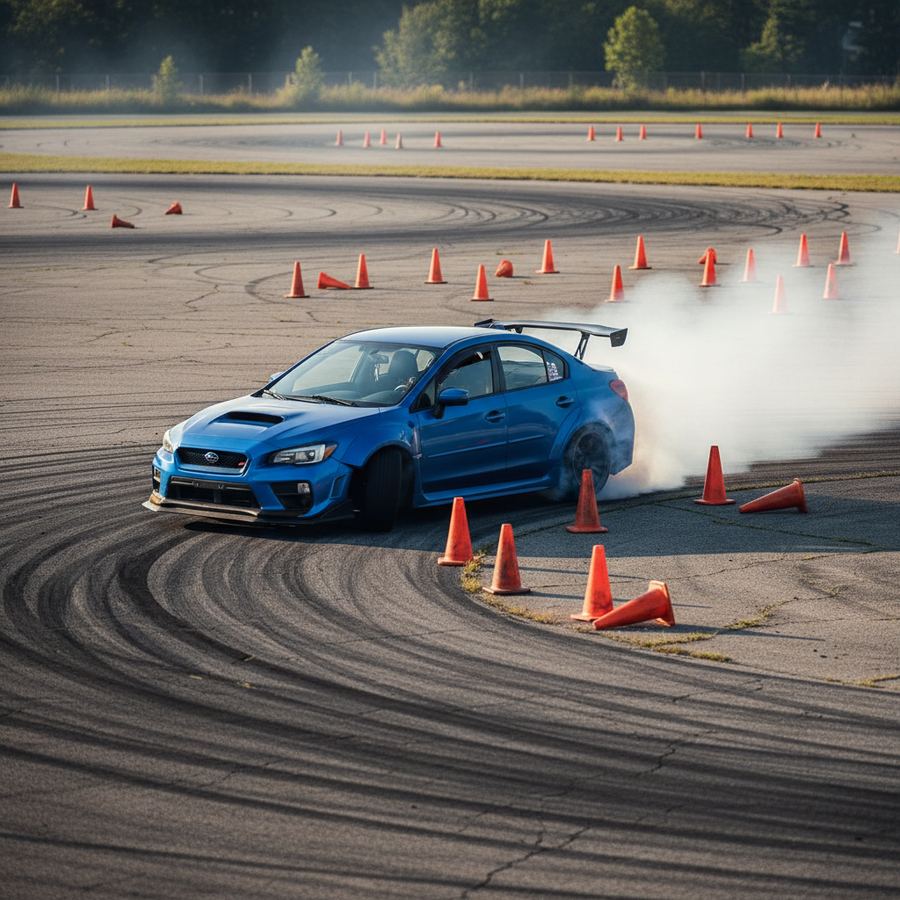
Autocross is the front door to grassroots motorsports. The setup is simple: a temporary course made of traffic cones in a parking lot, one car at a time, timed runs usually under 60 seconds. It is low-speed, high-skill, and one of the cheapest ways to learn car control in a competitive setting. You can show up in your daily driver, run on your street tires, and have an incredible time.
Most local events are organized by SCCA Solo (autocross) regions, but plenty of independent car clubs run their own series too. Entry fees are typically $30 to $50, you get four to six timed runs, and the whole day wraps up by mid-afternoon. The skill ceiling is high, but the entry barrier is almost nonexistent.
How Autocross Works
When you show up to an event, you will register, go through a basic tech inspection (tires, brakes, loose items in the cabin), and walk the course on foot before driving it. Walking the course is critical. You are learning the line, identifying tricky sections, and building a mental map. First-timers almost always get paired with experienced drivers who will ride along and help you figure things out.
You will run in a class based on your car and any modifications. If you are driving a stock or lightly modified car, you will likely be in Street class. Do not worry about being competitive your first time. Nobody is. The goal for your first few events is to finish clean, get comfortable with the format, and start developing a feel for what the car does at the limit in a safe, controlled environment.
What You Need to Get Started
Here is the honest answer: a car that passes tech, a helmet (most clubs have loaners), and $40. That is it. You do not need a roll bar, a racing harness, or sticky tires. If your daily driver has reasonable tires and working brakes, you are ready. Read our guide on prepping your car for autocross if you want to be thorough about it.
If you are completely new to motorsports, start with our first autocross walkthrough for a step-by-step look at what a typical event day looks like.
Getting Faster
Speed in autocross comes from smooth inputs, reading the course well, and understanding weight transfer. It does not come from mods, at least not at first. The fastest drivers at local events are fast because of seat time and technique, not because they have the best parts. Focus on being consistent before you worry about being fast.
That said, tires make the single biggest difference in autocross performance. If you are ready to invest, check out our guide on choosing autocross tires. And getting your tire pressures right is free and makes a noticeable difference immediately.
Finding Events
The best place to find local autocross events is MotorsportReg.com, where most clubs post their schedules and handle registration. Our finding events guide covers other ways to track down local series in your area.
Autocross Articles
- Your First Autocross A complete walkthrough of what to expect at your first autocross event, from registration to your final run.
- How to Prep Your Car for Autocross The practical checklist for getting your daily driver ready for cone duty.
- How to Choose Tires for Autocross Street tires, 200tw tires, and everything in between. What actually matters for grip at an autocross.
- Common Mistakes First-Time Drivers Make The stuff nobody tells you before your first event. Learn from other people's mistakes instead.
- Event Day Etiquette Unwritten rules and common courtesies that make events run smoothly for everyone.